Learner Resources Model (LRM)
The Learner Resources Model (LRM) provides a strong foundation for the Lifespace Access Profiles. The LRM reflects the belief that assessment and individualized instructional programs must be based upon a comprehensive view of the Individual’s strengths and weaknesses. The scope/breadth and the depth of the Lifespace Access assessment and planning processes built upon this foundation meet and exceed the requirements in both California and Federal regulations. (California Ed Code § 56320 and IDEA § 300.304.)
Four Resource Categories
Physical Resources
The physical resources category is concerned with the Individual’s general health and medical status, sensory functioning, fine and gross motor functioning, and postural and mobility support needs. Within each of these areas information is gathered about the Individual’s current functioning or ability levels. That information is used to identify aspects of the Individual’s physical abilities or functioning that need to be addressed in the planning of instructional or training activities.
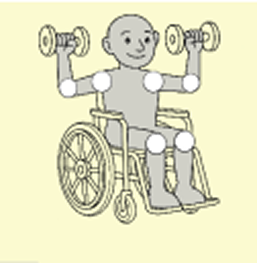
For some individuals the improvement or expansion of skills or abilities within the Physical Resource category may represent a primary focus of their educational or training program. For other individuals this information is used to address access and participation in instructional or training activities designed to improve functioning or abilities within other resource categories.
Cognitive Resources
The cognitive resources category encompasses a continuum of abilities that share the characteristic of being mediated by the individual’s mental processes. This continuum starts with foundational awareness and goes all the way to abstract thought and complex reasoning. Recognition and response to a prompt or other sensory input and understanding of simple cause-and-effect relationships are among the first steps along this continuum. Problem solving emerges early,

beginning with very simple try-another-way strategies and can reach complex, planned multistep strategies In areas like categorization, quantification and numeration, and sequencing skills can start at very elementary levels and advance from there.
Communication, both receptive and expressive abilities, are central to development across the cognitive domain. Receptive communicative abilities start with responding to simple prompts or signals and can reach to the comprehension of complex spoken, written, signed, or symbol-based messages. Expressive communication often starts with purposeful crying or reaching, begins to incorporate the use of objects, sounds, symbols, or physical actions and can stretch to the sophisticated use of speech, sign, writing, or augmentative communication.
The improvement of cognitive abilities is often the central focus of educational or training program plans. Knowing the level of an Individual’s resources in this area can also be a critical aspect of creating activities designed to develop other resources, physical or emotional, that are accessible and effective.
Emotional Resources
The Emotional Resources category is concerned with those aspects of the Individual’s interactions within activities and environments mediated primarily by the Individual’s affective (emotional) state. The affective variables that can significantly impact an Individual’s functioning in educational or training activities are numerous and varied. At the most elementary level, the Individual’s reactions to a range of sensory stimuli, visual, auditory, tactile, movement, taste, and social interaction may be vital considerations in activity planning.

Beyond these basic responses, knowing how well the Individual is able to maintain task focus, deal with distractions, change, or frustration serves to inform program planning.
As is the case with the other resource categories, the Individual’s functioning related to affective factors may be the central focus of their educational or training program. For others having information about potential reinforcers, likes and dislikes, social motivation, task and environmental tolerances is critical for planning activities to produce development in other resource categories.
Support Resources
The first three resource categories focus upon the functioning and characteristics of the Individual important to program planning. The Support Resources category focuses on external factors required for successful program implementation. The range of support resources and the nature of support can be wide and varied. Within that array the availability and training of personnel and the availability of needed equipment and supplies are key factors to consider. The honest appraisal of these resources across home, school, and therapy settings is essential.